Harvest Details
Identification Details
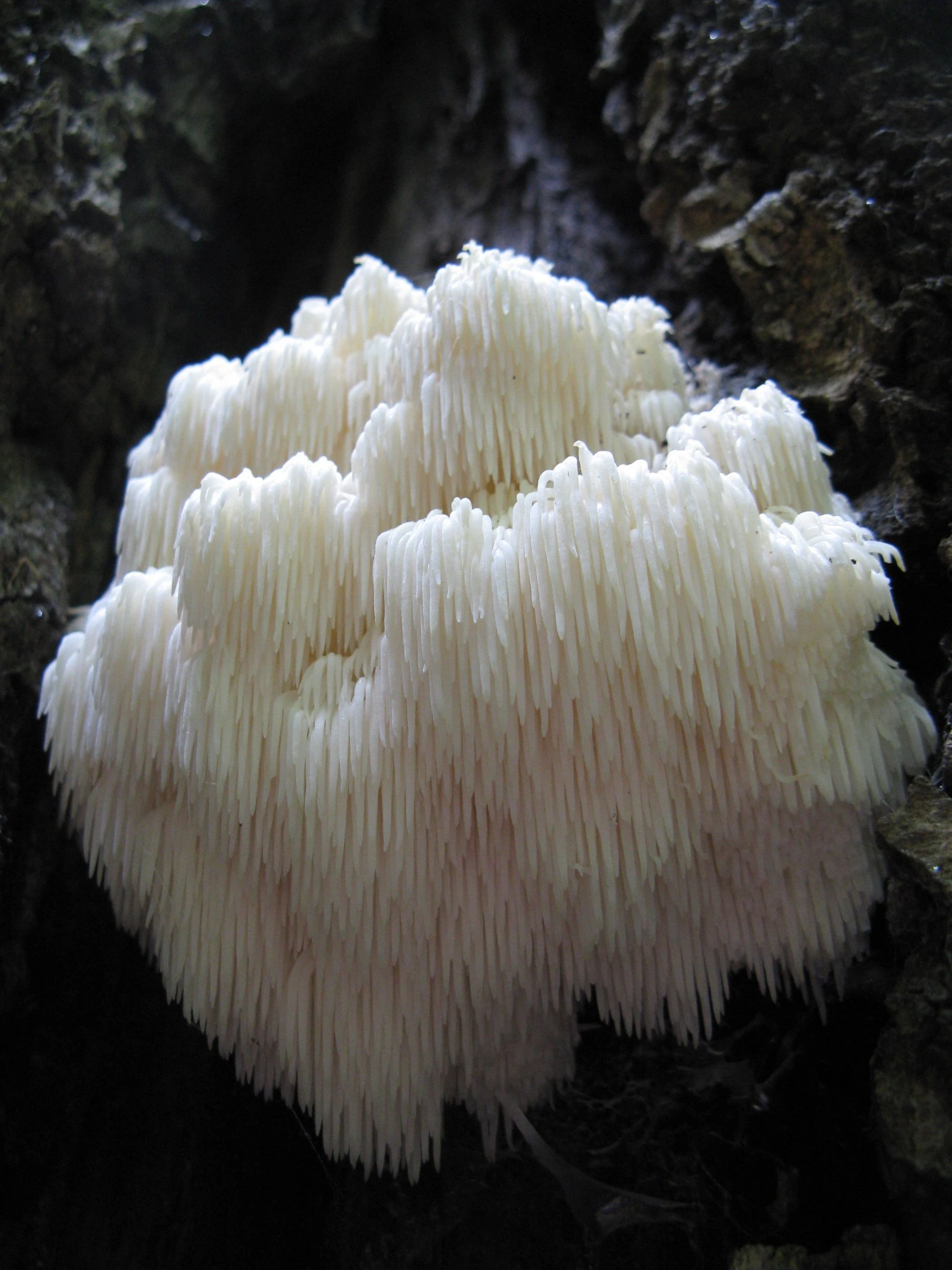
Form Structure: Large, cauliflower-shaped or coral-like mass (15 to 30 cm across) featuring a thick, centrally branched core structure. Spines (The "Teeth"): Densely packed, icicle-like cascading spines measuring 0.5 cm to 4 cm in length hanging downward from the branches. Color: Pure snow-white to creamy-white when fresh and young. As they age or dry out, they naturally transition to a yellowish or brownish hue. Flesh & Spores: The interior flesh is solid white and does not change color when sliced. The spore print is white. Common Lookalikes:Standard Lion's Mane (Hericium erinaceus): Forms a singular, rounded, pom-pom-like ball without the prominent branching structure. Coral Tooth Fungus (Hericium coralloides): Features a similar branching habit, but its spines are noticeably shorter (more bristle-like) and it has smaller spores.
Foraging Tips
Foraging Tips
Where to Look: Scan deciduous forests rich in mature hardwoods. Look specifically on standing dead trunks, fallen logs, and scars/wounds of living beech, maple, oak, and birch trees. Because they can grow high up on trunks, scan both the forest floor and eye-level tree sections. The "Repeat Spot" Rule: Mycelium runs deep inside host logs and can fruit annually for several consecutive years if the deadwood remains undisturbed. Mark your GPS coordinates or map successful finds. Harvest Window: Harvest only when the mushroom is bright white and firm/succulent. If the teeth have begun to elongate excessively, turn yellow, or brown at the tips, the mushroom is over-mature, tough, and past its culinary prime (and may taste bitter or harbor insects). Extraction: Use a sharp knife to cleanly slice the cluster off the wood substrate, leaving the base root of the mycelium intact inside the log to encourage future flushes.
Microclimates
Microclimates
Seasonality: Primarily fruits in late summer through autumn (typically September through November, depending on latitude). Temperature Requirements: Prefers cooler ambient air temperatures, typically ranging from 16°C to 22°C (60°F to 72°F). Humidity and Moisture: Requires sustained high relative humidity (85% to 95%), often spiking right after heavy autumn rains or extended periods of morning fog and dew in dense hardwood canopies. Climate Shift Vulnerability: Extended droughts or unseasonably warm autumns suppress fruiting. Conversely, sudden shifts toward heavy, saturated rainfall following a dry spell can trigger rapid mycelial activation, causing the fruit bodies to double in size over just a few days.
Nutritional Metrics
Nutritional Profile
5 metricsCalories25
Protein (g)2.5
Carbohydrates (g)4
Fat (g)0.5
Fiber (g)2
Medicinal Value
Medicinal Value
Neuroregeneration & Cognitive Support:Contains active diterpenoid derivatives (hericenones and erinacines) that stimulate the synthesis of Nerve Growth Factor (NGF) and Brain-Derived Neurotrophic Factor (BDNF).
Medical Metric: Pre-clinical and limited clinical human trials on Hericium species indicate potential improvements in mild cognitive impairment, memory retention, and the reduction of neurodegenerative progression (such as plaque inhibition associated with Alzheimer's models).
Antioxidant & Anti-inflammatory Activity:Rich in high-molecular-weight polysaccharides (specifically beta-glucans) and phenolic compounds. Medical Metric: Scavenges free radicals, minimizing systemic oxidative stress linked to chronic conditions like cardiovascular disease and arthritis. Immunomodulation & Gut Health:Beta-glucans interact with gut-associated lymphoid tissue (GALT), upregulating immune cell responses (macrophages and natural killer cells).Traditionally and clinically noted to exhibit antimicrobial activity against gastric disruptors like
Helicobacter pylori.Metabolic Regulation:Animal and in vitro models indicate that Hericium extracts possess anti-hyperglycemic properties, helping modulate blood glucose spikes and improve lipid profiles (lowering LDL and triglycerides).
Additional Context
Fun Facts
Scientific Name: Hericium americanum (commonly known as Bear's Head Tooth, Comb Tooth, or American Lion's Mane). Geography: Indigenous to North America, predominantly found east of the Great Plains (ranging from Canada down to the southeastern United States). Ecological Role: Primarily saprobic (degrading dead or decaying hardwood logs, stumps, and fallen branches), though it can occasionally act as a weak parasite on the wounds of living trees. It breaks down lignin and cellulose, playing a vital role in forest nutrient recycling. Culinary Profile: Highly prized gourmet edible with a tender texture and a distinct, mild seafood-like flavor profile often compared to crab, lobster, or scallops
Ready to source Bear's Head?
Browse active lots from verified foragers in the marketplace.
